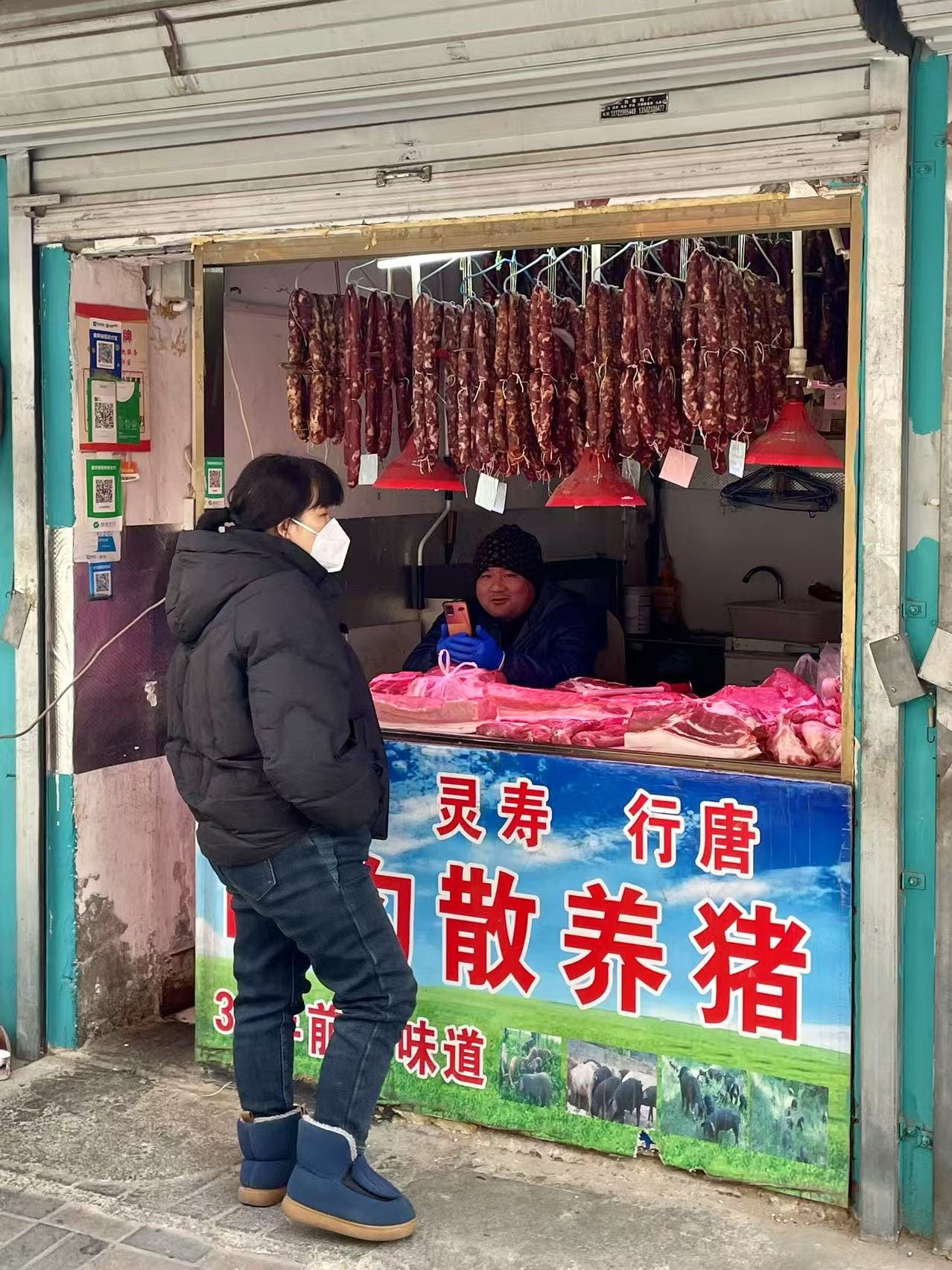
A New Year's Dispatch
How Targeted Stimulus is Driving Local Economic shoots

Most conversations with my China contacts who have returned to their respective home countries these days center on the economy—what’s happening, and where it might be headed. With so many significant moving parts, including the global economic shifts and Trump’s impending inauguration, I hesitate to speculate too much. Still, my on-the-ground observations in China reveal some interesting anecdotes, many of which seem connected to government stimulus measures.
Let’s talk about Shijiazhuang—a city that often flies under the radar. It’s the capital of Hebei Province, with a population of over 11 million. When I first visited in 2005, it earned its nickname “China’s largest peasant village.” At the time, it was an industrial hub with little in the way of modern amenities. Today, it has evolved: shiny malls on nearly every block, a sleek subway system, and signs of modernization everywhere. Yet, it retains its working-class ethos, a city that marches to the beat of its own drum; you don’t have to travel far to encounter ‘old China’ characteristics; even in city center.
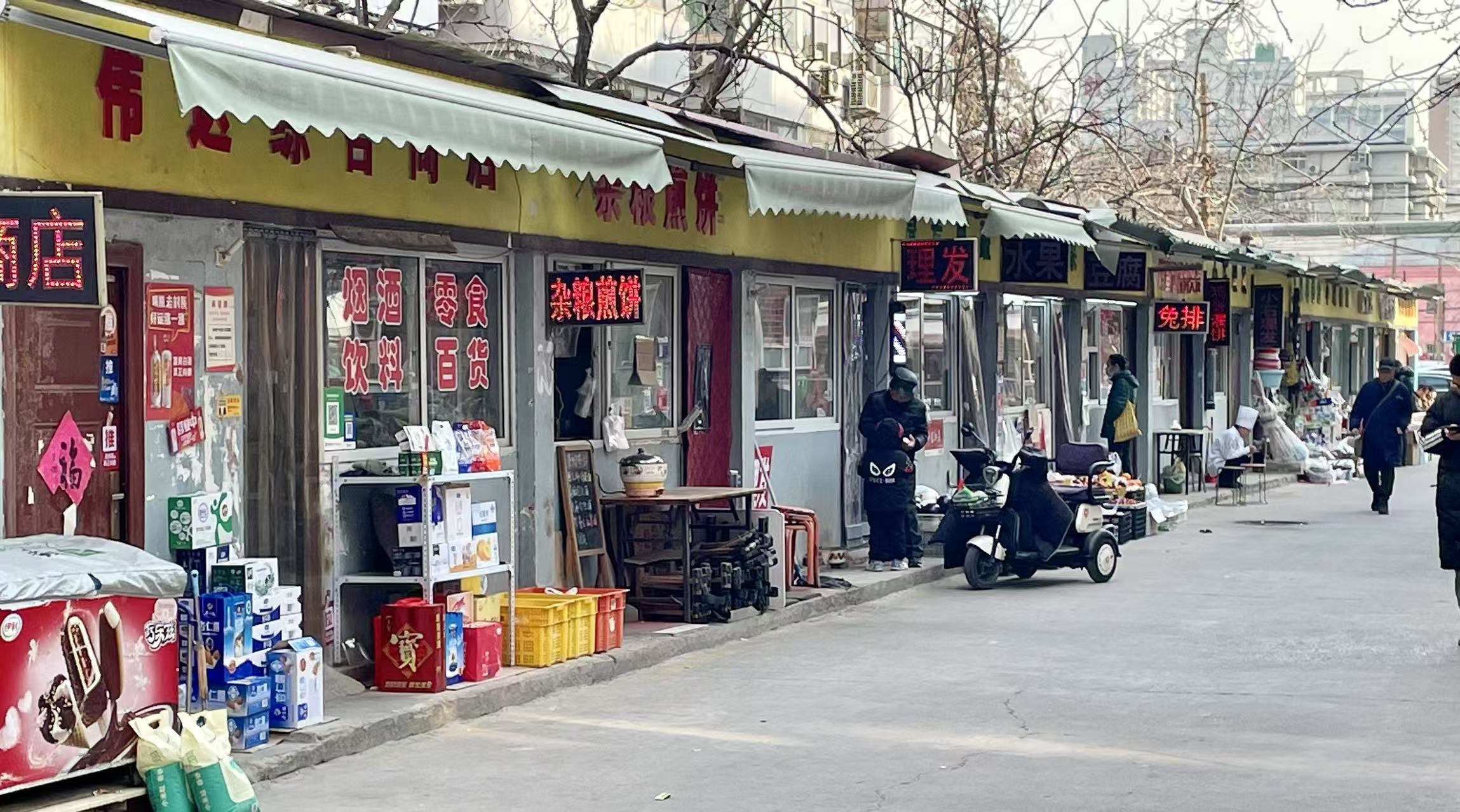
Apartment Block Neighborhood Shops
A few details stand out. Despite the presence of a modern subway, it’s rarely busy unless there’s a promotion offering free rides—something that has happened more frequently recently, likely tied to stimulus efforts. Seniors always ride for free, but extended free access for all during holiday economic promotions is a clear signal of government intent to boost morale and activity. Even with normally affordable subway fares, the thrifty locals stick to bicycles and electric scooters, often rentals, which are even cheaper.
That frugality doesn’t stop people from spending money in other ways. Try getting into a decent restaurant in one of those malls without a reservation—you’ll likely end up perched in the hallway on a squat stool for an hour, waiting your turn. Yet, complaints abound: “Nobody’s making money; margins are razor-thin.” This paradox is pervasive—businesses are bustling, but profits remain elusive.
Shijiazhuang’s demographics lean heavily toward pensioners, many of whom live in modest danwei work unit apartments built during their working years. On a recent visit to a retired friend’s home, I noticed a flurry of activity: renovations everywhere—new roofs, elevators, paint jobs, and resurfaced parking lots. When I asked how much he had to chip in for the upgrades, he surprised me: “Nothing. The government and my old work unit covered it.” This kind of stimulus serves a dual purpose: providing jobs for migrant workers and improving quality of life for residents, many of whom live on modest pensions of around 3,000 RMB a month. It’s targeted spending, and it seems to be paying off with both jobs and morale. My friend, once pessimistic about the economy, is now cautiously optimistic- at least about his own situation. Once I knew what to look for, I saw signs of similar residential complex revitalization city-wide. Maybe this will be the trigger for uncorking those bottled-up animal spirits the pundits are all blaming for the lack of large-item purchases; especially as the Lunar New Year approaches.
On a related economic note, a friend in the steel industry has spent more time on business trips servicing contracts than at home, since early December. This is after a ‘slow but steady’ past year and seems to be more than restocking or pre-Lunar New Year planning.
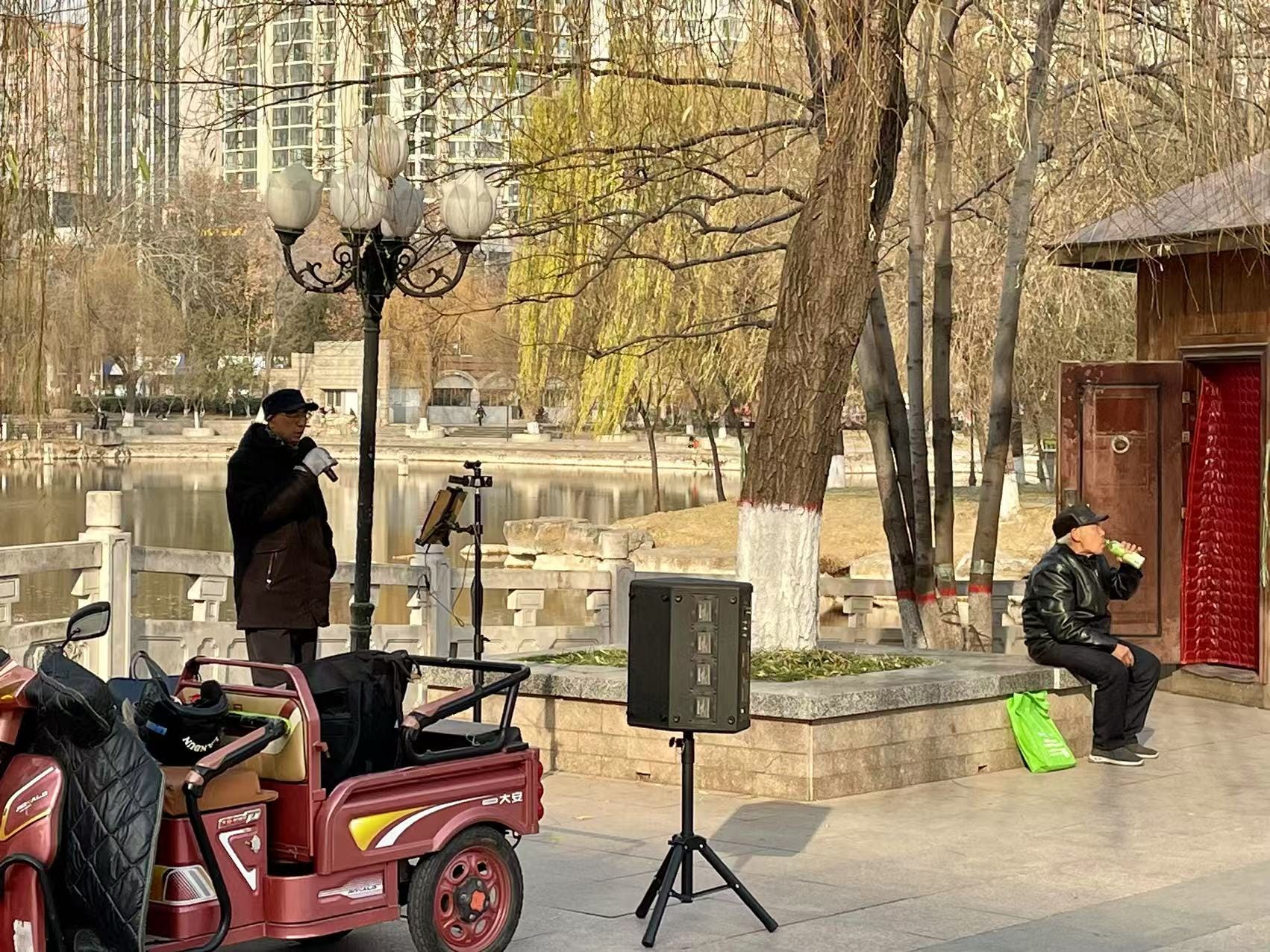
KTV Singer
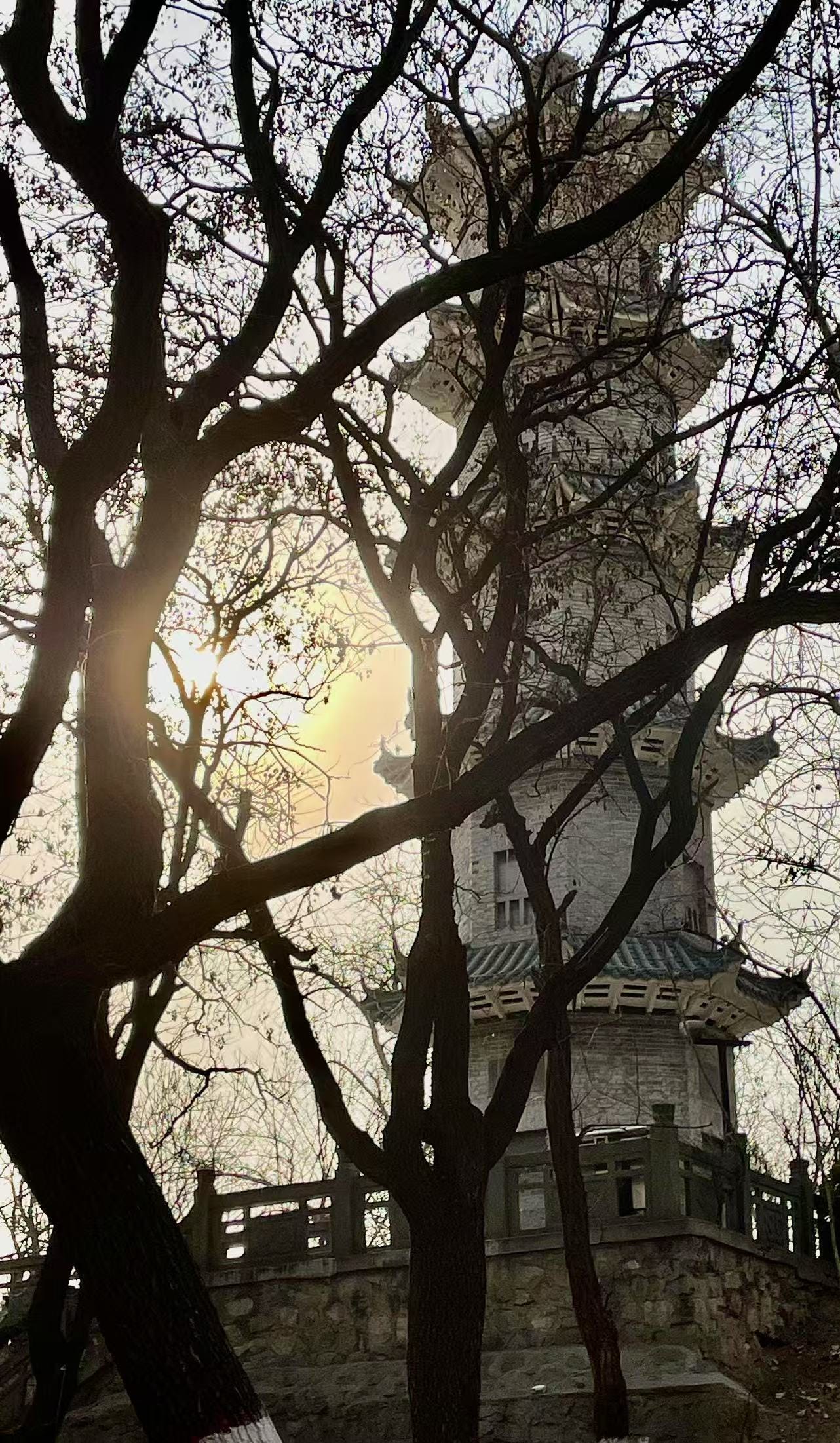
Public parks are another hallmark of Shijiazhuang’s culture. Eternal Peace Park, in particular, is a vibrant hub of activity that remains my favorite amongst all China parks. It’s beautiful, with a large lake, ancient stone pagoda, large open square, a small children’s amusement ride section, museum, theater, and underground shopping mall. Throughout you’ll find various large artworks and sculptures, gazebos, and covered walkways.
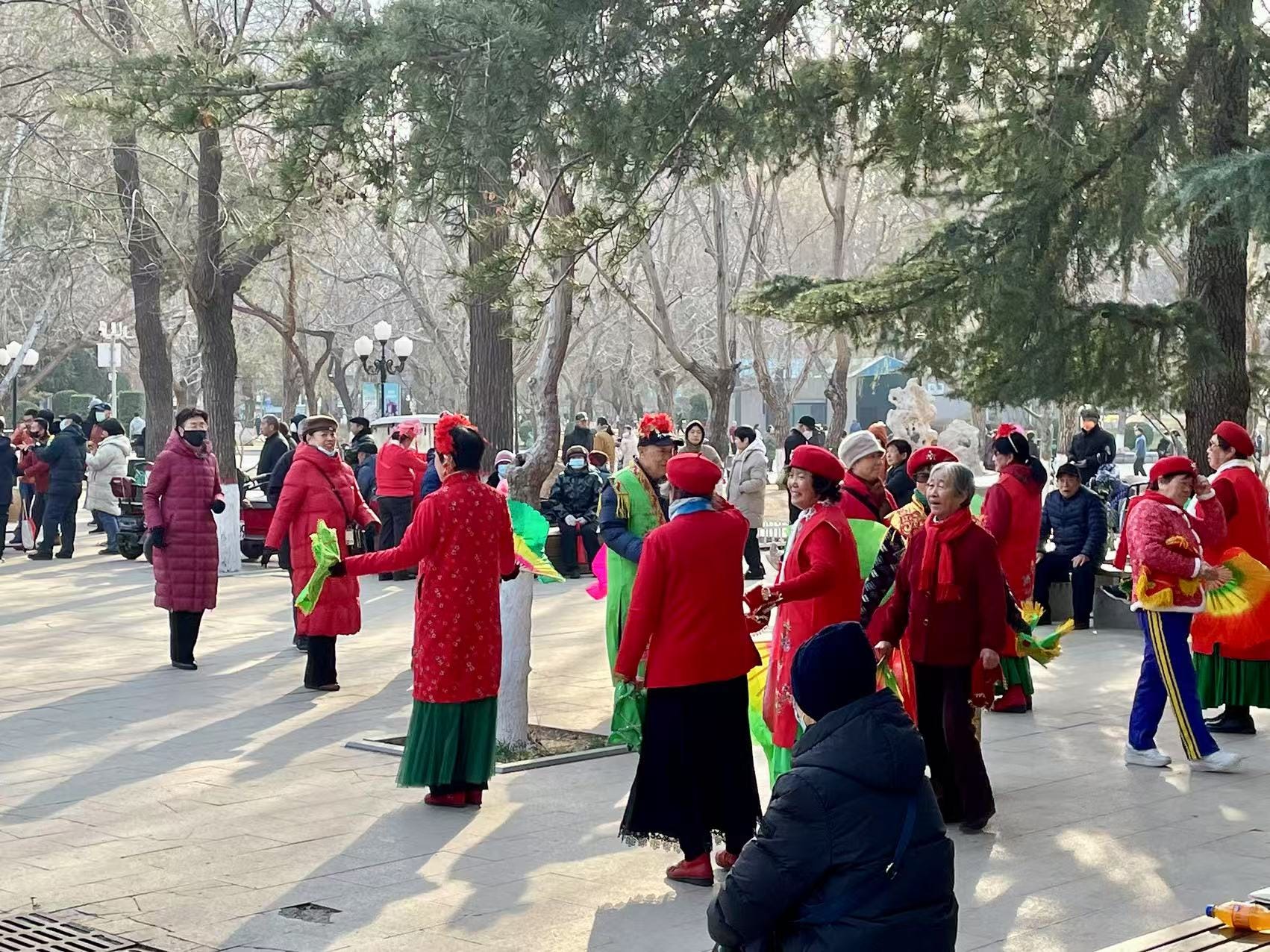
Fan Dancers
It’s a lively, yet peaceful, walk. On any given day you will encounter elderly dancers dressed in cultural garb dancing to a large drum, ballroom dancers, ribbon dancers, kung fu and tai qi masters teaching students, swordsman practicing their movements, calligraphers painting large characters on the ground with water, kite flyers, KTV singers with their own portable high-wattage speakers, basketball players, Xinjiang dancers, and the list goes on. In the spring they have massive flower shows and people come from all parts of the city to take pictures of the blooms. The new trend here is that you’ll find live-streamers for many of those park activity participants, highlighting another move to the digital economy of content creation.
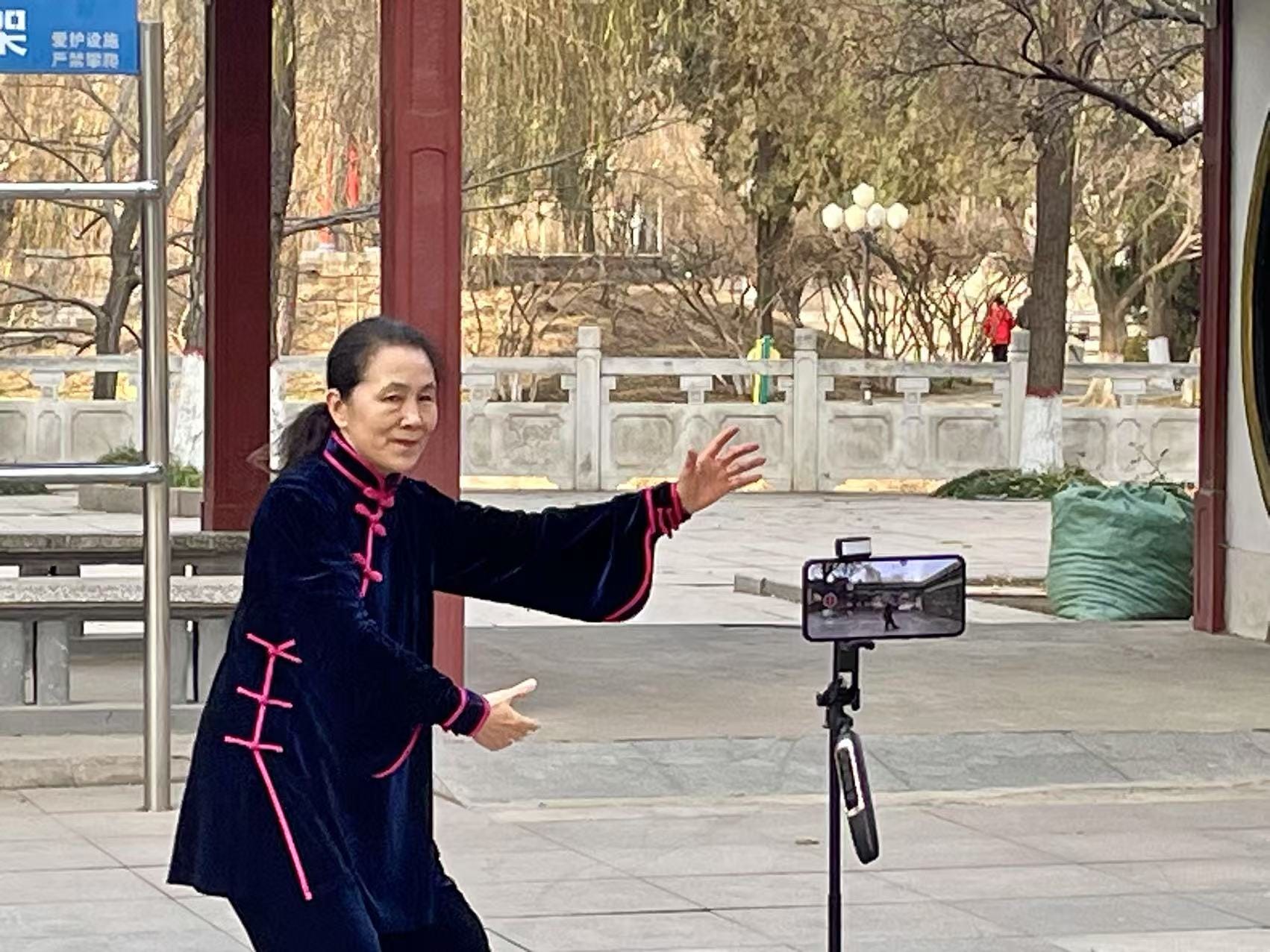
A live-Streamer Taiqi Master
The gazebos will be filled with groups of musicians playing traditional Chinese music as large crowds gather to watch, perhaps playing card games within earshot. Mostly, these groups include the same friends and neighbors who meet each day as routine. It’s a microcosm of community life, where people gather to enjoy the simple pleasures. The energy is palpable and a reminder of why public spaces matter in a city like this. If you visit Shijiazhuang and have some free time, I highly recommend visiting this park.
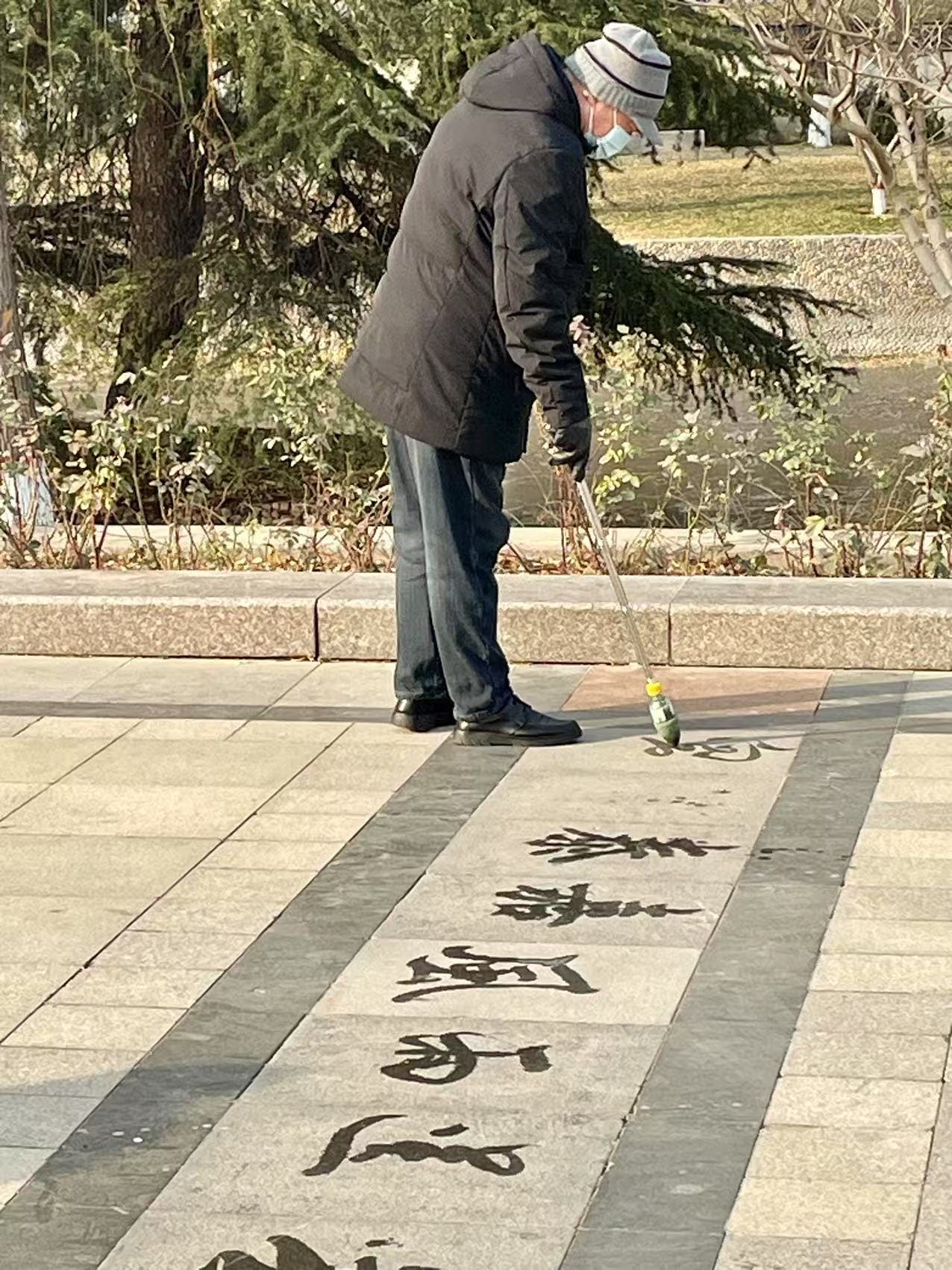
Park Calligrapher
Shijiazhuang has also declared itself China’s rock ‘n’ roll capital—a bold claim, though the big-name concerts seem more pop than rock. Regardless, the branding has drawn visitors and boosted local businesses. Nearby Zhengding County, under Shijiazhuang’s administration, is undergoing a transformation with blocks of new concert venues, government offices, and apartment complexes springing up. It’s a hive of construction activity, another clear sign of stimulus dollars at work.
Then there’s the elephant in the room: concerns about a “mystery illness.” While outside media have speculated about another wave of COVID-like conditions, I haven’t seen much evidence. The government agencies have been reporting upticks in winter illnesses, warning people to take care. Yes, winter illnesses are on the rise, but that’s typical for this season. In Beijing, subway riders remain mask-free for the most part, and schools seem unaffected. [All of the pictures n this article were taken on New Year’s Day in Shijiazhuang, and you see very few masks.]
Anecdotal reports from Shanghai and Tianjin suggest cold and
flu outbreaks, but nothing out of the ordinary for this time of year. It’s certainly something to monitor as Spring Festival approaches, when the country experiences its annual migration surge.
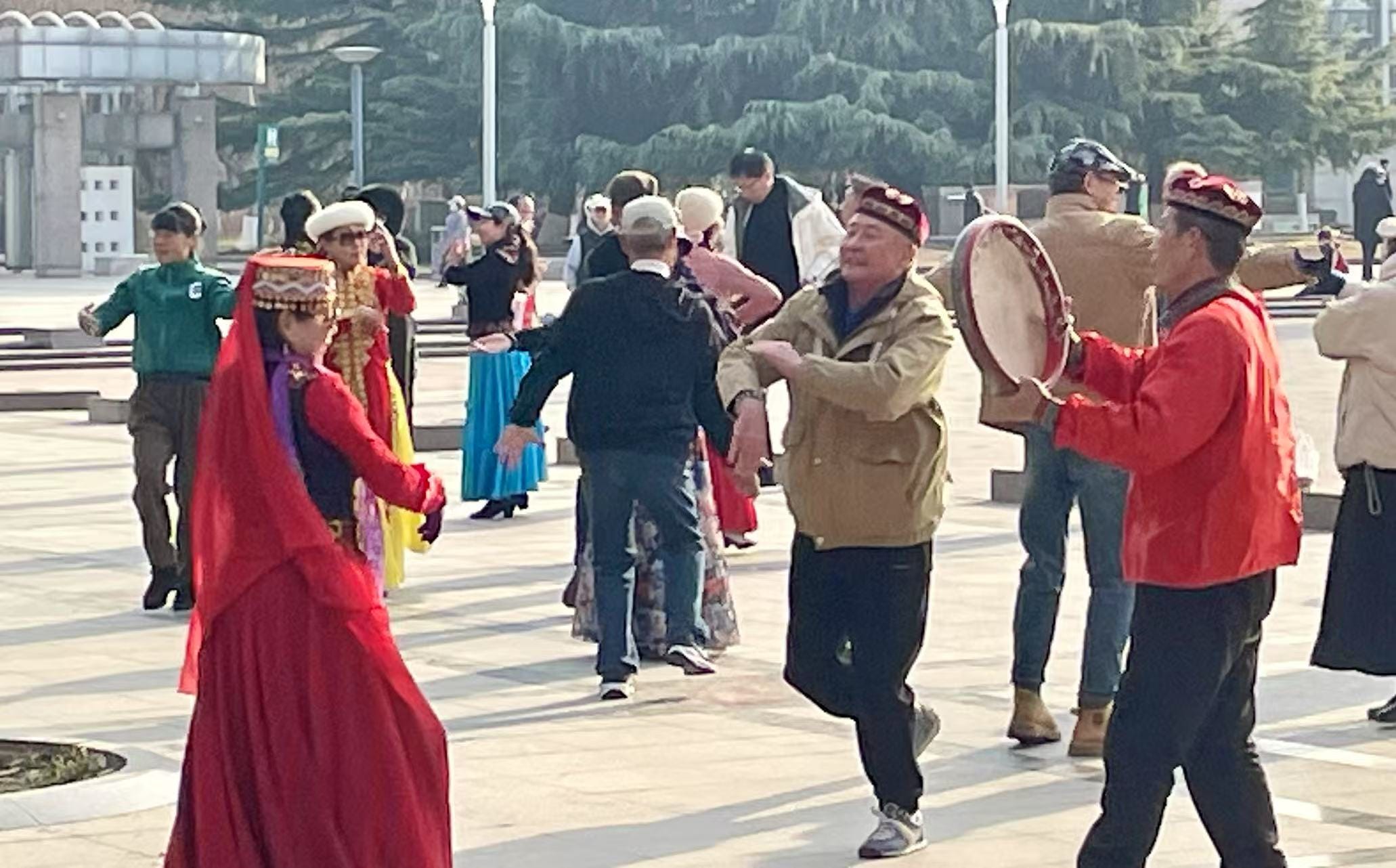
Dancers Enjoy the Morning
China is a land of contrasts, and Shijiazhuang exemplifies this. The city’s evolution, driven by careful but impactful stimulus, offers insights into the broader economic narrative. I find cities like Shijiazhuang useful economic barometers for what’s happening in the greater China outside of tier-one cities, and suspect that similar stimulus measures are providing offshoots in other jurisdictions. Cities like Shijiazhuang are also representative of what more can be done. China’s still a long way from building bridges to nowhere as the only stimulus option, when vast numbers of people’s lives can be substantially lifted with targeted government spending.
As the Lunar New Year Holiday approaches I’ll be paying attention to the travel plans of those around me, as well as to what gifts they are lugging home on the trains to the villages during the yearly migration. Will it be a year of stuffed animals and food box presents, or high-tech appliances?
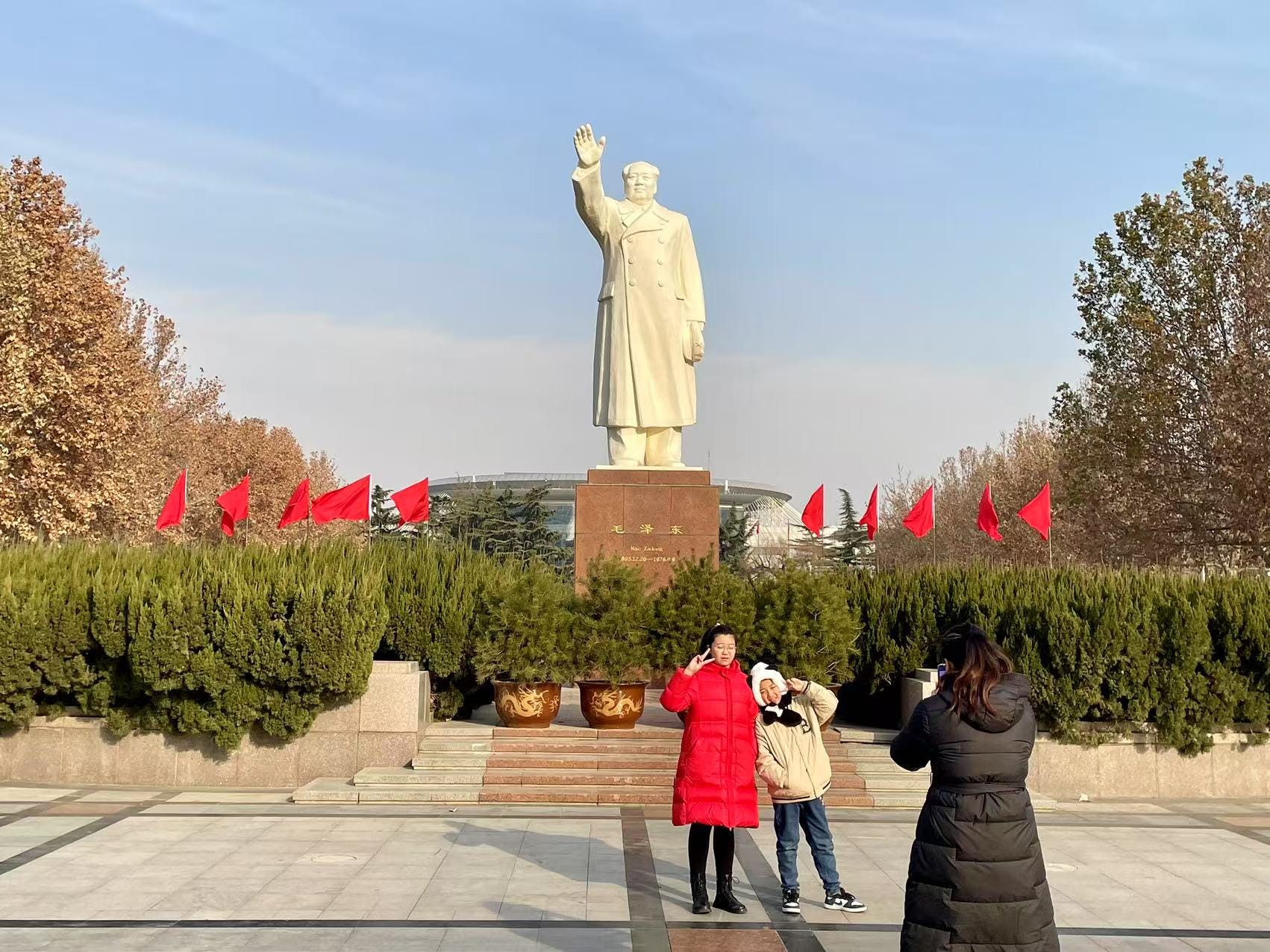
City Mao Zedong Statue