
The Reverse Letter: Reflections on China and America in the Age of Information

In today’s hyper-connected world, a curious phenomenon has emerged: travelers to China—be they business magnates or influencers—seem compelled to publish their musings in the form of what might be called “The Letter.” These digital missives, shared on platforms like LinkedIn, YouTube, or the echo chambers of X (formerly Twitter), claim to unveil the pulse of modern China. Yet, more often than not, they reveal much more about their authors than the country they claim to observe and dissect.
This practice surged after China reopened its borders post-COVID, with a rush of self-proclaimed "China experts" eager to be the first to offer their assessments. What these letters often reveal is not profound, groundbreaking insight into the Middle Kingdom, but rather a lack of understanding that many of these writers had even before the pandemic. For years, they had been absent from China’s evolving landscape, and their interpretations—framed as novel insights—often betray just how out of touch they have become. Their understanding, ossified by time and distance, underscores this disconnect. It’s a curious exercise: these sudden revelations, laughably banal to those of us who have remained on the ground enduring the pandemic within China’s borders.
It’s a bit galling, really, our similar insights—when shared at the time—were met with derision. We were dismissed and labeled propagandists, derisively called wumao in Western parlance. Yet now, these same points, made by people who’ve parachuted back in for a brief visit, are treated as gospel. It stings. Watching these outsiders fumble their way through shallow interpretations of Chinese governance, society, and daily life — yet still being granted the authority of truth-tellers and being paid for it — can feel like a slap in the face.
Of course, there is undeniable value in an outsider’s perspective. Looking at one’s own environment through foreign eyes can reveal things we might otherwise miss. But in the digital age, where social media thrives on instant proclamations, the weight of such observations can feel fleeting, divorced from any deeper understanding of context. One economic analyst I follow exemplifies this dichotomy. His early work on China was sharp, incisive—rooted in years of lived experience within the country. His grasp of the delicate interplay between China’s economic and social structures— vital to understanding modern China — was impeccable. ‘Chinese Characteristics,’ are real. You cannot fully understand something if you do not know the social evolution of the subject, let alone accurately predict the forward trajectory. But since leaving the country, his commentary has dulled, as if his nuanced insights eroded by the ocean of distance. I continue to read his work, though with a newly discerning filter.
In contrast, another U.S.-based analyst who once lived in China has maintained an impressive sharpness in his writing, thanks in part to the extensive network he’s cultivated within the country; offering a reminder that sharp analysis can endure despite the miles. Over drinks during his first post-pandemic visit, his reflections, though tinted with confirmation bias, were rich with honesty. It was a refreshing moment of clarity, one I found thought-provoking enough to share with friends navigating misguided advice from other sources.
Now, I find myself on the verge of writing my own Letter. After over four years abroad, I am about to return to the United States. My last steps on American soil were in January 2020, and while I’ve stayed informed from afar, I’m curious to see how the reality measures against my expectations. Like the China narratives spun by outsiders, I suspect much of the media I’ve consumed about America—particularly its political and economic landscape—has been tinged with inaccuracies. I wonder how much of what I’ve absorbed will hold up against reality. This trip promises to be an illuminating socio-economic case study; spanning five states in two weeks, providing a rare opportunity to gauge the true socio-economic undercurrents in the lead-up to a presidential election year—a time when the veneer of civility tends to peel away, exposing the nation’s raw, often contradictory, undercurrents.
And so, this missive is my own Reverse Letter. But rather than dissecting China from afar, it’s a reflection on what it means to step away and look back — at both China and the United States. It’s about the limits of perception, and how our understanding of a place is shaped, often distorted, by the media we consume, the biases we hold, and the distance—be it geographic, temporal, or ideological.
As my trip unfolds, I’ll be watching closely, not just for the stark differences but also for the subtle shifts that speak to the broader socio-economic trends shaping both nations. Perhaps, in the end, the biggest lesson from all these letters, mine included, is that no matter how close we think we are to understanding a place, distance, especially if combined with cultural and language barriers, always leaves us with more questions than answers.
T-minus Two: Navigating Digital Limbo Before Departure
I haven’t even left China yet, and already I find myself lamenting the digital ease I’ve come to take for granted. Booking travel within China is almost effortless— with just a few taps on my phone, I can sync flight details, boarding passes, meal preferences—everything I need to travel smoothly, and the whole experience is frictionless. But as soon as international travel enters the mix, that seamless convenience unravels.
With international flights, the process becomes labyrinthine. You want to manage everything—baggage, meals, mileage accrual—through the airline app. Yet what should take seconds spirals into hours spent battling with poor design and layers of red tape. Take Air China, for instance. I regularly fly with them, and it’s usually a breeze, but this time their app left me floundering in a Kafkaesque loop of security codes, identity verifications, and glitches; it was like stepping back into dial-up era of frustration. A simple formatting error and inflexible coding system led to hours of frustration and numerous calls to customer service. It was a humbling reminder of how quickly technology can transform from a blessing to a burden. I’m baffled. Why does something that should be simple have to feel like solving an unsolvable puzzle?
And then there’s United Airlines, which offered no respite. After much effort, I managed to add two of my domestic flights to their app, only to be foiled by the third. What ensued was an exhausting twenty-minute tango between pages and links, all in search of a help chat box that seemed intent on remaining elusive.
Why do airline apps always deliver such a clunky user experience? They’re meant to streamline travel, yet more often than not, they generate annoyance. After wasting far too much time wrestling with these digital hurdles, I find myself reverting to an old-school solution: printouts. It feels regressive—ironic, even—given the promises of technological convenience we’ve all been sold. And yet, there’s something oddly reassuring about the tactile certainty of paper in hand. Technology promises to simplify our lives, but sometimes it just traps us in an endless loop of automated dead-ends.
Is this the future of travel? A maze of malfunctioning digital interfaces, where convenience is a veneer that quickly peels away when tested? As my departure approaches, I can’t help but feel a creeping anxiety. If organizing a flight has become this convoluted, what else has changed?
Beijing Liftoff
The day of departure arrives with little fanfare. I take a Didi to Beijing’s Capital Airport Terminal 3 and traffic is unusually light, thanks to the peculiar holiday work schedule that compresses vacations into longer stretches, offset by mandatory weekend workdays.
The airport itself is busy but not overcrowded. Checking in goes smoothly until the airline staff struggle to add my flight to my mileage account. After a prolonged back-and-forth and some manual workarounds, the issue is finally resolved—six minutes longer than it should have taken, much to the dismay of the passengers behind me.

Los Angeles, California
We land uneventfully at LAX, where I notice the first change from past trips: gone are the U.S. Customs forms handed out before landing. Now, all that’s required is a quick passport scan and a digital photo. I zip through customs in minutes, while my Chinese colleagues wait in longer foreign national lines; but the only questions they were asked was what was the purpose of their trip, and how much money did they bring. I think that DHS probably has enhanced baggage screening for drugs and explosives, but what about other items that get smuggled? I guess it no longer matters if passengers bring in that extra apple they chose not to eat on their flight. The streamlined process feels suspiciously lax—no questions about agricultural products or duty limits. As I navigate the terminal, I can’t help but wonder how these changes reflect broader shifts in American policy, particularly in the realms of security and immigration.
Other than the re-entry procedures, everything was similar to my previous LAX experiences; the airport is large, modern, and efficient once you battle the automobile traffic to get there. Our flight arrived mid-day and we had a layover, so we had the chance to go to lunch and walk around some luxury mall areas that had live music in the square. It was nice, and I noticed that while the crowds weren’t large, there were still a lot of people and they were opening their wallets on luxury branded items. We had lunch at the Nordstrom Café and it was busy for 3:00 in the afternoon. I was also amazed at both the diverse mix of people, it very much felt like the international city that it is, but what was most noticeable was how well put-together everyone appeared; the LA style was front and center.
Montana: A Shifting Political Landscape
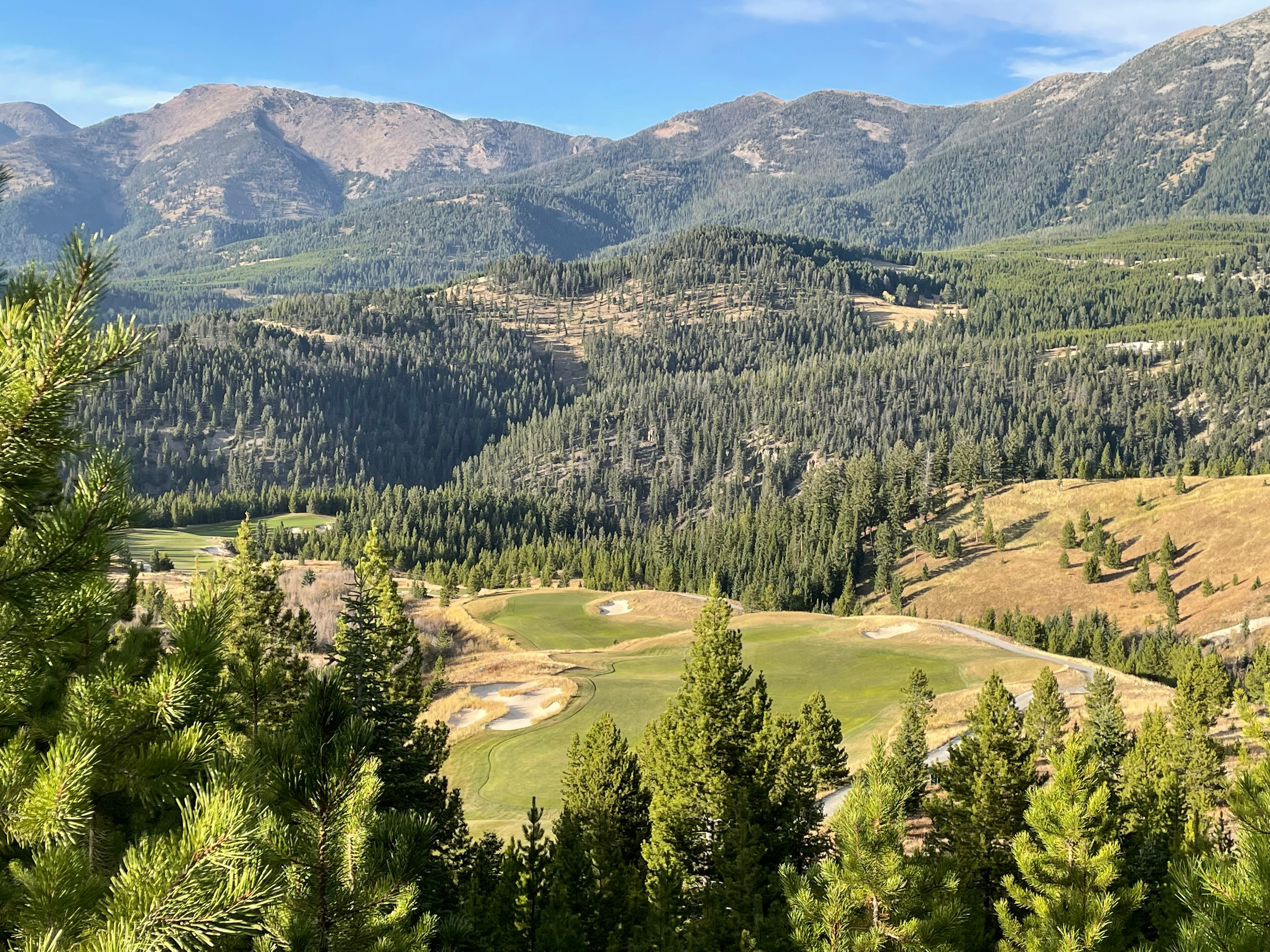
Gallatin International Airport has grown since my last visit, with an expanded terminal and a multi-level parking garage. It’s here that I begin to sense a growing disparity in service standards. At the car rental counter, I’m issued three vehicles in a row, each with severely damaged windshields. After expressing my frustration, the clerk sheepishly admits that these issues are common and reflect a broader decline. It’s a reminder that standards are slipping—where even paying a premium doesn’t always guarantee quality.
Politics
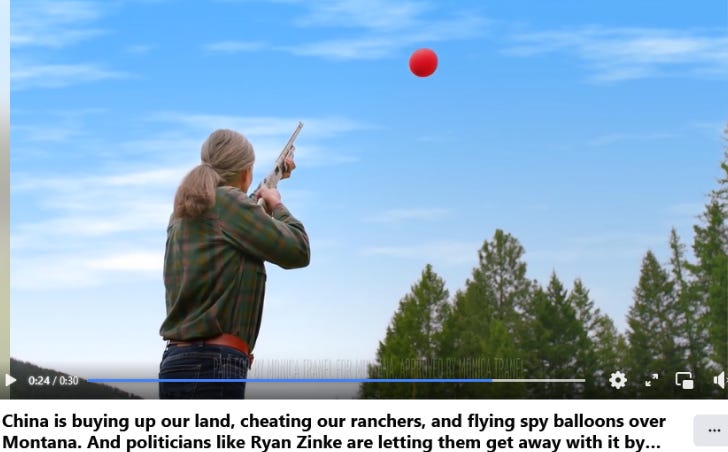
Montana offers my first glimpse of the current political climate—I saw a political ad so clumsy and crude that it feels more fit for satire than serious campaigning. Monica Tranel, a Democrat running for Congress, has embraced a more populist, even xenophobic, tone promising to "save Montana from China" while pointing a camouflage-covered shotgun at a balloon. The ad feels like a reflection of a broader problem: the oversimplification of complex foreign policy issues into sound bites and theatrics. The ad is cringeworthy, yes, but it’s also a poignant reminder of how propaganda shapes perception—and how deeply entrenched anti-China rhetoric has become. I think Monica would be a much better Representative than her opponent, but if I was a Montana voter she would have lost my vote. Quite frankly, it was embarrassing for Montana and more befitting of a Saturday Night Live skit than political discourse.
Montana is, for this trip, the first state where I saw any political yard signs, which is historically a good barometer of the blowing political winds. Mostly, they were alongside ranch land fences and were for Trump; I didn’t see one Harris sign. I also saw too many signs for Republican Tim Sheehy in the Senate race, and far too few for Senator Jon Tester. I had read the polls and saw that Tester was trailing, but didn’t put much faith in them because I know that Jon has had strong bipartisan support across the state because he’s delivered; including for traditionally Republican-leaning industries. I also knew that the Republicans are spending an unprecedented amount to unseat him, so that they can swing the Senate to Republican majority. I don’t know if I had too much faith in Montanans to not be swayed by out of state special interest groups, or that so many conservative Republicans have moved into the state since the COVID epidemic that it moved the political needle more than I anticipated. In any event, my prognosis is not good for the Montana senate race. In Wyoming I saw some Trump signs, no Harris signs, but overall the political signs were mostly for local candidates. This is a trend I saw extended into the rest of my trip, which I’ll address it in my ending summary.
Summary Analysis
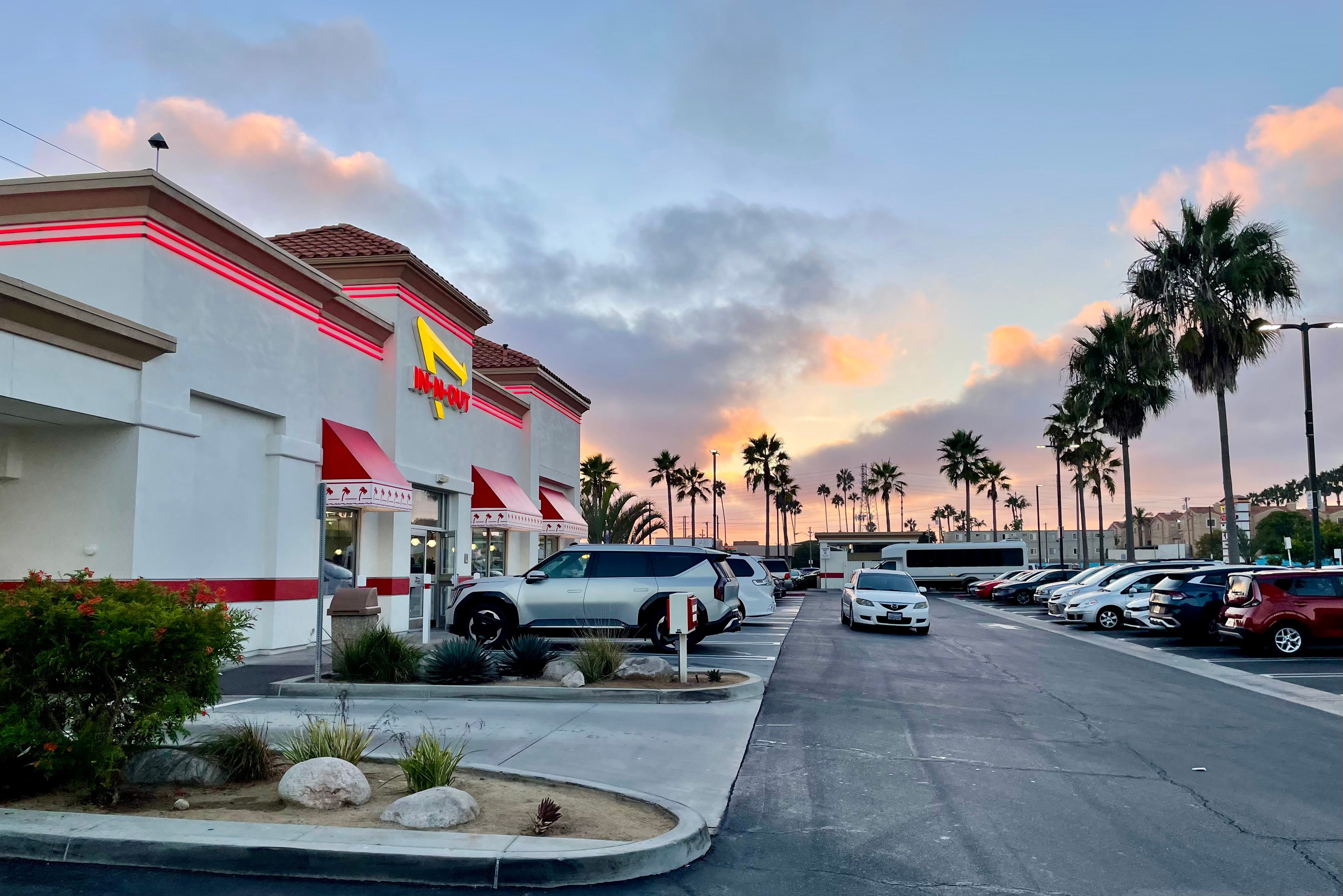
Over two weeks I travel across several states, observing America in the lead-up to an election that feels more consequential than ever. What strikes me most is the deepening bifurcation—economic and political—that runs through every conversation, every interaction. Conversations with friends, colleagues, and even strangers echo similar themes: inflation is biting hard, retail remains surprisingly resilient, and service quality has slipped noticeably. In wealthier circles, life goes on as usual, with spending habits unchanged, yet those living paycheck to paycheck are increasingly vocal about their struggles. Inflation dominates the discourse, a constant undercurrent of frustration. At restaurants, prices have skyrocketed. Fast-casual meals that once cost $6–$10 are now in the $12–$18 range, forcing families to cut back or simply go without.
Retail
Retail tells a similar story. While it was common to hear fellow shoppers, strangers to one another bonding over grumblings about high prices; the cash registers were still ringing. Everywhere I went in the U.S., people were lining up to spend their money. While luxury stores in Los Angeles and Rocky Mountain cities were abuzz with activity, I did notice a haunting number of empty storefronts in Michigan—remnants of working-class neighborhoods left behind by economic shifts. The cracks in the American Dream are visible, and they're widening.
Another interesting retail feature I noticed was that at four different stores I tried to pay with cash and was told they only take credit cards. These places were all at either hotels where most people signed charges to their rooms, or at membership clubs where invoices were issued at the end of the month; so there were qualifiers to this observation. However, it was still notable.
Inflation
Inflation is the first and foremost topic at hand. There are many grumblings one hears from friends and strangers alike, and this tops the list. The most egregious example is that of restaurant prices. One can hardly find even a fast-food meal for less than $20. If you have a family of three or four, it adds up quickly. At most fast-casual places where you don’t even have table service, you can expect to pay $8-14 for a single bowl of soup.
As for grocery stores, I found that while prices were up from when I last lived in the U.S. in 2019, they were still much in-line with prices of that period. At Whole Foods, prices were expensive, but they’ve always been expensive. At ‘standard’ grocery stores, such as Smith’s Foods in Jackson Hole, where I would expect higher prices because of the location, the selection was great and prices were affordable- more so if you paid attention to the sale items.
I found that clothes and shoe prices have gone up about 20% from when I last lived in the U.S., but these categories are still several hundred percent cheaper than they are in China for the same items. Clothes and shoes remain the two items I stock up on when in the states.
While I didn’t have need this trip, insurance and other financial services have become quite expensive, as attested by more grumblings from U.S. friends.
Politics and the Election
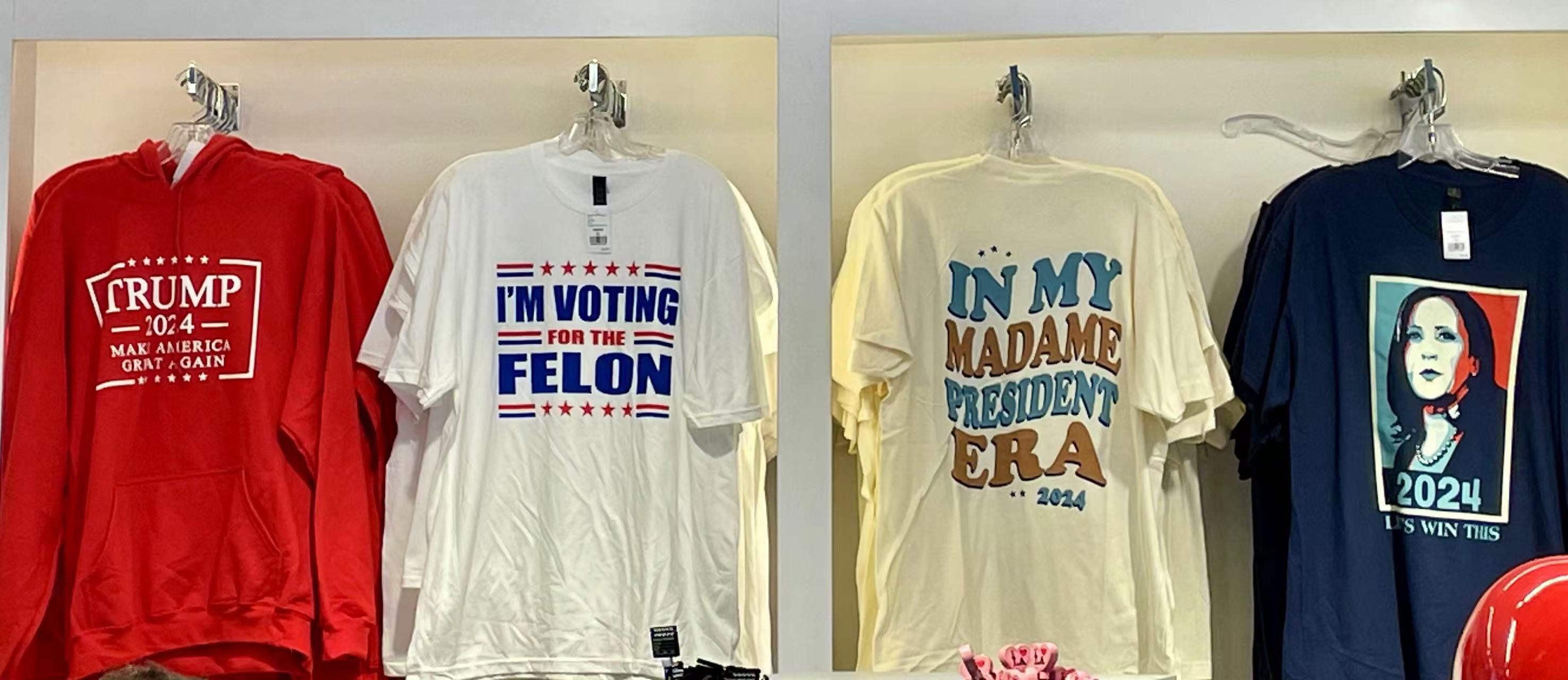
The political landscape feels equally fractured. Yard signs, once a reliable barometer of political sentiment, are scarce. When you do see them, they are generally for local candidates. People are keeping their opinions close to their chests, and when they do speak, there’s unease, a sense of voting for the “least harmful” candidate rather than one they truly support. As we have known for a long time, most voters are not happy with either the Democratic or Republican tickets, and that did not change with Harris’s replacement of Biden.
People of both parties are taking note of neighbor’s political yard signs, and fear retribution if their opposition candidate wins. Whether in the form of cancel culture or societal ostracism, this fear stems directly from COVID epidemic control times when neighbors snitched on neighbors for violating stay at home mandates- and those policies are associated with the Biden/Harris Administration. Depending on who wins, some people fear a cultural revolution-style purge as some Democrats and Republicans each fear the other side would turn the country into a fascist state.
This trip, for me, reinforced the opinion I held beforehand that consensus is building for a Trump win. I think Harris’ defeat will be more resounding than people think, with the great silent majority voting Trump. I heard from several longtime Democrats and never-Trumpers that they had already voted absentee- for Trump. Citizens on both sides of the aisle have lost faith in our government and its institutions; they want change. Citizens are tired of the aggressive belligerent foreign policy, fighting proxy wars of choice on several fronts while our domestic infrastructure and education system continue to deteriorate due to lack of local government funding. World War III is all too close a possibility, and they view Trump as the least likely to take us there. With Harris, they think they’ll get more Biden. With Biden’s health conditions, many people don’t believe that he’s actually been the one making the final decisions. Harris has obviously been a part of any cover-up of his mental health issues. With her anointment as the candidate, without an open democratic contest, people wonder who has actually been calling the shots, and if Kamala is just another puppet facade for those entities. She has failed to address those concerns. I’m probably one of the few people who aren’t MAGA that thinks Trump can win the popular vote, as well as the electoral- if he doesn’t do something to implode his candidacy between now and the election. California contacts tell me that while Harris still has deep support in-state, it could be close, as Trump is gaining ground due to perceived Democratic policies affecting the rising crime rates and elevated tax base.
In my opinion, the most important issues on voter’s minds this year are: economy, immigration (border security, tax-payer economic aid to migrants, giving citizen rights such as voting to migrants, related rising crime rates), rising crime rates in relation to policy (defunding police, de facto legalization of theft by non-prosecution policies, etc.), foreign policy regarding multiple war fronts supported by U.S. Government (financial aid and weapons aid). There is a palpable sense of unease where people feel we are at an existential structural inflection crisis, and about to go beyond the point where it can be fixed. That’s not to say they trust that Trump can fix it, only that he might slow down the descent whereas a Harris administration would put the pedal to the metal with the path we’re on.
Crime
I mentioned rising crime (theft) as an issue just now, and will give you two retail examples of how businesses are dealing with it. I visited Lansing, Michigan, the area where I most recently lived in the U.S.
Horrocks is a wonderful independent Whole Foods/natural co-op type grocery store that sells large varieties of specialty items in addition to having a full nursery in the spring. They recently added a pleasant outdoor garden dining area with a beer garden in one of their nursery buildings. After our wood-fired oven pizza dinner, downed with a couple of local craft beers, I made a couple of purchases from the grocery store area on my way out. Firstly, I noticed a sign stating that if you paid for your items at this checkout, you must leave through that exit; makes sense, they don’t want you wandering through the store and picking up and leaving with unpaid items. After I paid, I only had three small items and told the guy I didn’t need a bag- I would carry the items. He looked at me in frustration and pointed to a roll of bright fluorescent orange stickers that said “Paid Item”, and told me that if I didn’t want a bag, he would have to individually put the stickers on each item, for my 10-foot walk to the exit… I told him to go ahead and give me a bag, as he clearly wanted; one that would be thrown in the trash as soon as I got back to where I was staying. After he put my items in the bag, I began to pick it up but he pulled it closer to him and said, “sorry, I gotta do this”, as he pulled the receipt through and wove it over the bag handles and stapled the receipt on the outside of the bag, and the bag closed, so that new items couldn’t be surreptitiously slipped into it- during my 10-foot walk to the exit. For color, I will also add that shoppers here are more affluent than at a ‘regular’ grocery store. I wouldn’t have expected shoplifting to be such a problem that it needed to be dealt with in such an in-your-face manner that obviously stressed the clerk as he had to comply with procedures and explain them to customers.
A second example, just down the road a few miles, is Meijer; a large regional chain of one-stop-shop grocery and retail stores (similar to Wal-Mart Supercenters). When we lived here, we occasionally shopped at this particular location. This one is in a bit of a rough neighborhood. To avoid the large checkout crowds, we would park at the back entrance (near the Home department) and used those few checkout lanes because they were quicker. This trip, we were running late and only needed one item so we drove to the backside. The whole rear storefront that used to be a wide open-glassed entrance had been walled up, and all doors were removed. It seems they had experienced too much leakage out the back, where there were typically few staff on duty.
Seeing these changes was jarring. They weren’t just some video clips on the news of San Francisco looting; they were my old stomping grounds. I will add that at no time during my entire trip to the U.S. did I feel unsafe.
Commercial Flight in the U.S
I was surprised how expensive flying had become. Initially the ticket prices seemed reasonable, but then I read the fine print of baggage restrictions. For my international flight, I was now only allowed one checked bag. In the past, two luggages was the standard, and you could link that international flight with your domestic flights to have the international limits apply to domestic flights during your U.S. stay. For my domestic flights, there were no checked bags included in the ticket price; and I had to check two bags. Reading the fine print, my United flight even said that I had to pay extra for my carry-on bag, although I did not prepay that charge and no one ever asked for payment at the gate. I flew from Jackson Hole to South Bend, Indiana, and then from South Bend to LAX. Both of those flights were just shy of the price of a one-way Beijing to LAX ticket, which is a much longer flight.
As for the airport infrastructure, each airport was as I remembered. The smaller airports of Jackson Hole and South Bend were modern, quick, and easy. LAX was enormous but efficient and comfortable. Chicago, where I had connecting flights, was still as absurdly crowded and dysfunctional as I remembered. At my boarding gate they had three gated lanes next to each other boarding at the same time, through the same passenger boarding bridge. It was confusing, and the gate attendant continually broadcast instructions telling you that it was confusing and to pay attention because if you went down the wrong split in the passenger bridge, to the wrong plane, you would be escorted to security. Somehow it all worked out, but you had to feel for the airline employees who dealt with the high crowd stress levels on a daily basis. Surely they could redesign that terminal wing for more efficiency? Also, that airport was well over capacity. I had a delayed arrival and wanted to rush to my connecting flight, but the hallways were too small for the crowds, which were chaotic with people going both directions on each side of the hallway. I was stuck behind the people in front of me, with no option to pass unless I started blocking like an NFL lineman.
Airport Screenings: At each airport I visited, the security procedures were all different. I suppose it depends on the technological level of the screening equipment, but I would expect that TSA procedures and equipment would be universal across the country. Apparently, they are not. Most airports were still fairly efficient, with screeners shouting out the requirements at their particular post. At LAX my security scanner lane had issues where they scanned all of our belongings several times before moving them to the neighboring lane. The guy said they’d been having issues with this machine, but it had supposedly been fixed; an inconvenience, but not the end of the world. Still, something to note.
In summary, my U.S. airport experiences were nowhere near as seamless as those in China. Airports are an area where China excels at efficiency.
Driving Accidents and Alcohol Policies
I heard from several people in the U.S. that accidents and fatalities are on the rise, especially pedestrian/vehicle incidents. Texting while driving is the perceived culprit.
However, I did see one positive driving trend that is moving toward more responsibility, with custodian policies instigated by the businesses themselves. While at a canyon roadhouse restaurant/saloon in Montana that I have frequented over the years, I was shocked when it cleared out at about 9:00 pm; it was always the place that held a full crowd until last-call at 1:30 am. I asked the bartender what was going on and he said they closed at 9, that “everyone drives a long way to get here and we don’t need people driving drunk”. Surely, it’s the responsible thing to do, but they’re also giving up a lot of high margin bar revenue with that decision. It was good to see a business putting public good in front of profit.
At the Horrocks Grocery I mentioned earlier, in their beer garden there’s a three-drink limit, another responsible policy. I don’t know if these anecdotal examples are representative of a greater national movement toward alcohol responsibility, but I certainly support them.

Services:
I visited a wide variety of places on my trip. For the Montana and Wyoming tourist resort areas, the staff I encountered were all interesting and educated people who paid attention to detail and generally exceeded expectations. However, my retail encounters across the five states weren’t always great. Oftentimes, you were forgiving of bad service because you could sense that the clerks didn’t have a lot of capability and were doing the best they could. There’s been a lot written about the difficulties in finding high quality employees, and this sentiment seemed to be supported at traditionally lower-paying jobs. Yet, occasionally, you would find someone who was above and beyond capable working a more menial job. Most people with whom I discussed the economy said that they had people close to them who were long-term unemployed looking for work, or were working a low-paying job just to pay the rent. Most of these unemployed were middle management level professional workers. Anecdotally, the unemployment trend seems to be increasing even if official statistics say otherwise, another area of wide-ranging grumblings.
Impressions
As I wrap up my journey, what strikes me most is not the obvious contrasts between China and the U.S., but the subtle parallels. Both nations grapple with narratives that often obscure more than they reveal, and both are caught in the churn of socio-political shifts that leave many disoriented. What we learn from these “letters,” mine included, is that distance—whether geographic, temporal, or ideological—warps our understanding of any place. Proximity can do the same. The real challenge lies not in writing the letter, but in recognizing the limits of our own perceptions. The truths we hold are always partial, colored by the lenses through which we view them. In navigating between worlds—between China and America—we come to realize that understanding is never static, but a fluid, ever-evolving process.
While proximity does not guarantee comprehension, it remains a prerequisite. Only by being close—immersed in the day-to-day realities of a place—can we begin to see past the surface and truly wrestle with the complexities that shaped its evolution. The real challenge lies in recognizing how much we still don't know, even when we think we do.
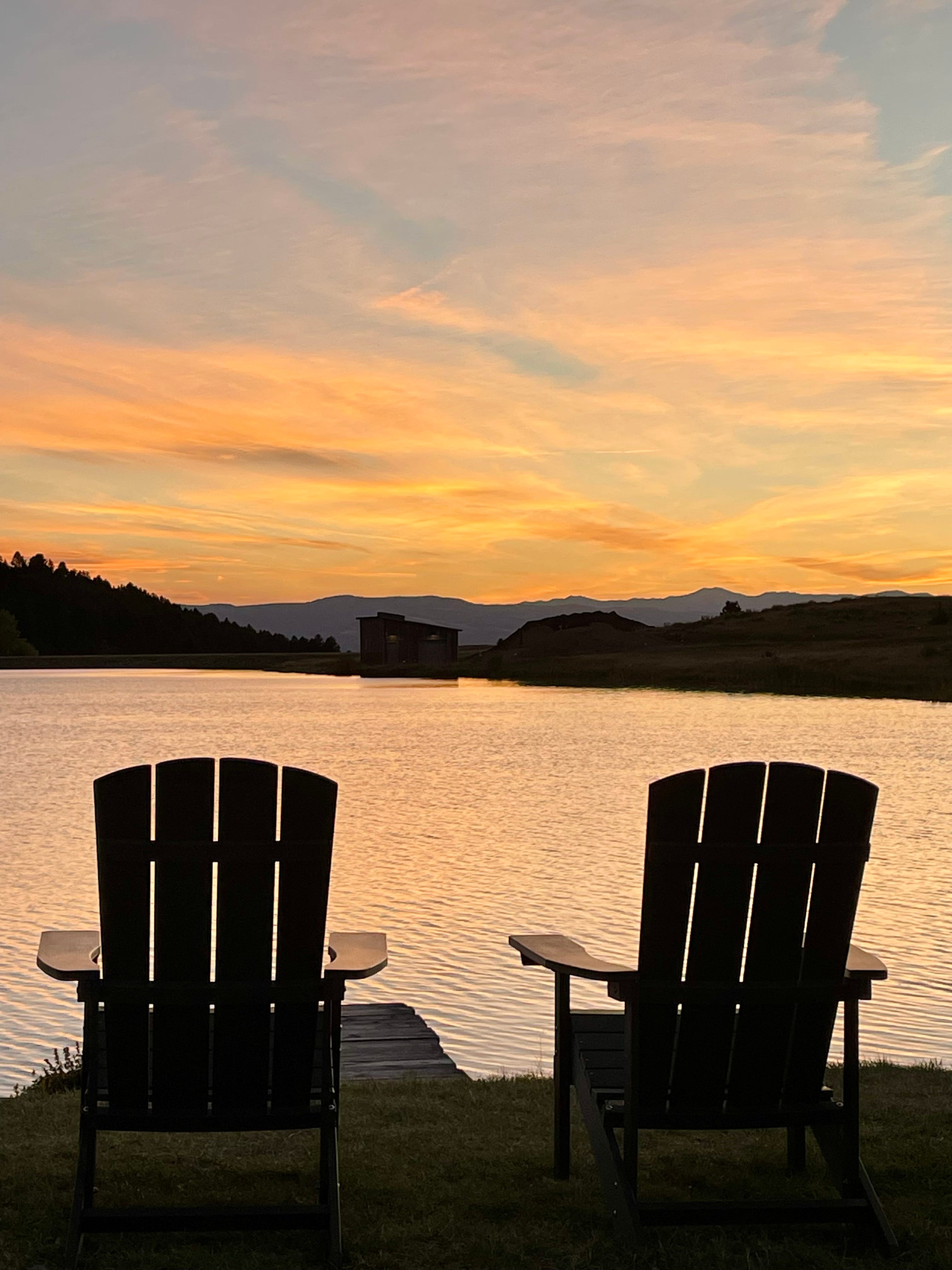
And yet, despite these fractures mentioned above, I find resilience. America, remains an enigma—a country thriving and faltering, united and divided, hopeful and despondent. My travels across five states remind me that understanding a place, especially one as vast and varied as the United States, requires more than observation. In the end, understanding comes from the willingness to engage with both nuance and humility. If we can’t reach a point of mutual understanding, why not?